In a study published today in Nature Microbiology, researchers made a significant step toward unraveling the complex relationship between genetics and gut bacteria. They found that specific changes in DNA affected both the existence and number of certain bacteria in the gut. These findings could transform our understanding and treatment of several common diseases, including obesity, irritable bowel syndrome, and Alzheimer’s disease.
“Our findings represent a significant breakthrough in understanding how genetic variation affects gut bacteria,” says first author David Hughes of the University of Bristol. “Moreover, it marks major progress in our ability to know whether changes in our gut bacteria actually cause, or are a consequence of, human disease.”
The human body comprises various unique ecosystems, each of which is populated by a diverse array of microorganisms. They include millions of bacteria in the gut that help digest food and produce molecules essential for life, many of which we cannot produce ourselves. This has prompted researchers to question if gut bacteria may also directly influence human health and disease.
Search Antibodies Search Now Use our Antibody Search Tool to find the right antibody for your research. Filter
by Type, Application, Reactivity, Host, Clonality, Conjugate/Tag, and Isotype.
Previous research has identified numerous genetic changes apparently related to bacterial composition in the gut, but only one such association has been observed consistently. This example involves a well-known single mutation that determines whether a person can digest lactose. The same genetic variation also predicts the prevalence of bacteria that digest lactose and use it as an energy source.
The new study identified 13 DNA changes related to changes in the presence or quantity of gut bacteria by analyzing genetic and fecal data from 3,890 individuals. “It was exciting to identify new and robust signals across the three study populations, which makes the correlation of genetic variation and gut bacteria much more striking and compelling,” Hughes says. “Now comes the great challenge of confirming our observations with other studies and dissecting how exactly these DNA changes might impact bacterial composition.”
Such investigations could hold the key to unlocking the intricate biological mechanisms behind some of the biggest health challenges of our time.
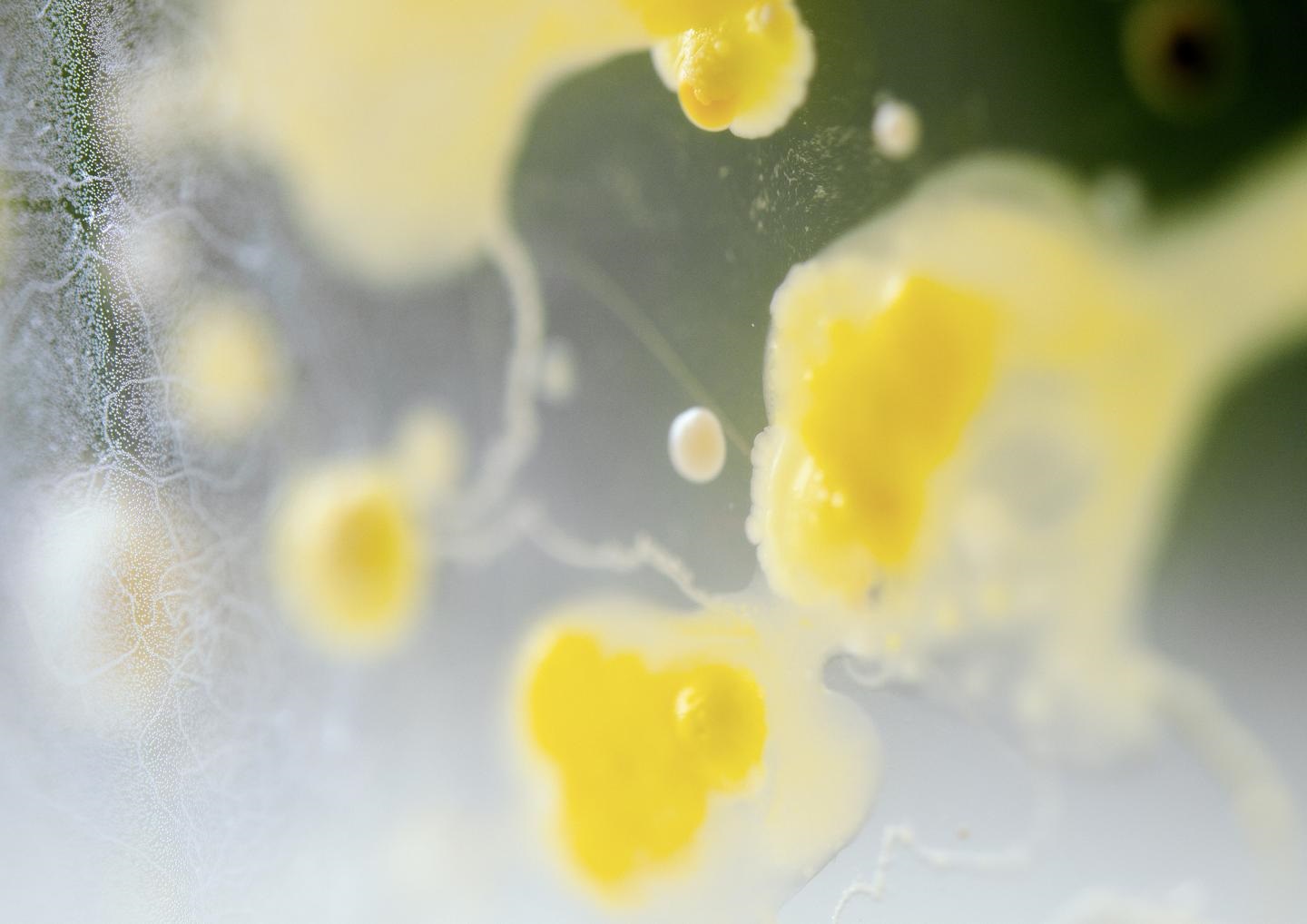
Image: A bacterial culture taken from a fecal sample. Image courtesy of Chloe Russell, as featured in her book Up Your A-Z: An Encyclopedia On Gut Bacteria.