How do temporal variations in protein concentrations affect biology? It’s a question that biologists have only recently begun to address, and the findings are increasingly showing that random temporal changes in the number of certain proteins play a direct and significant role in biological processes.
In fact, a new study published yesterday in Molecular Systems Biology shows that temporal fluctuations in protein concentrations can determine the type of cell that embryonic stem cells become. For the study, the researchers looked at two important transcription factors, SOX2 and OCT4, whose levels in embryonic stem cells change over time. Both of these transcription factors are important for embryonic stem cell self-renewal and differentiation into specific cell types.
Search Antibodies Search Now Use our Antibody Search Tool to find the right antibody for your research. Filter
by Type, Application, Reactivity, Host, Clonality, Conjugate/Tag, and Isotype.
To monitor their temporal fluctuations, the team carried out sophisticated genome engineering, generating five knock-in reporter genes in a single line of embryonic stem cells. Using this method, the researchers could monitor the fluctuations of SOX2 and OCT4 over time in living cells and determine how these fluctuations impact the fate of the embryonic stem cells.
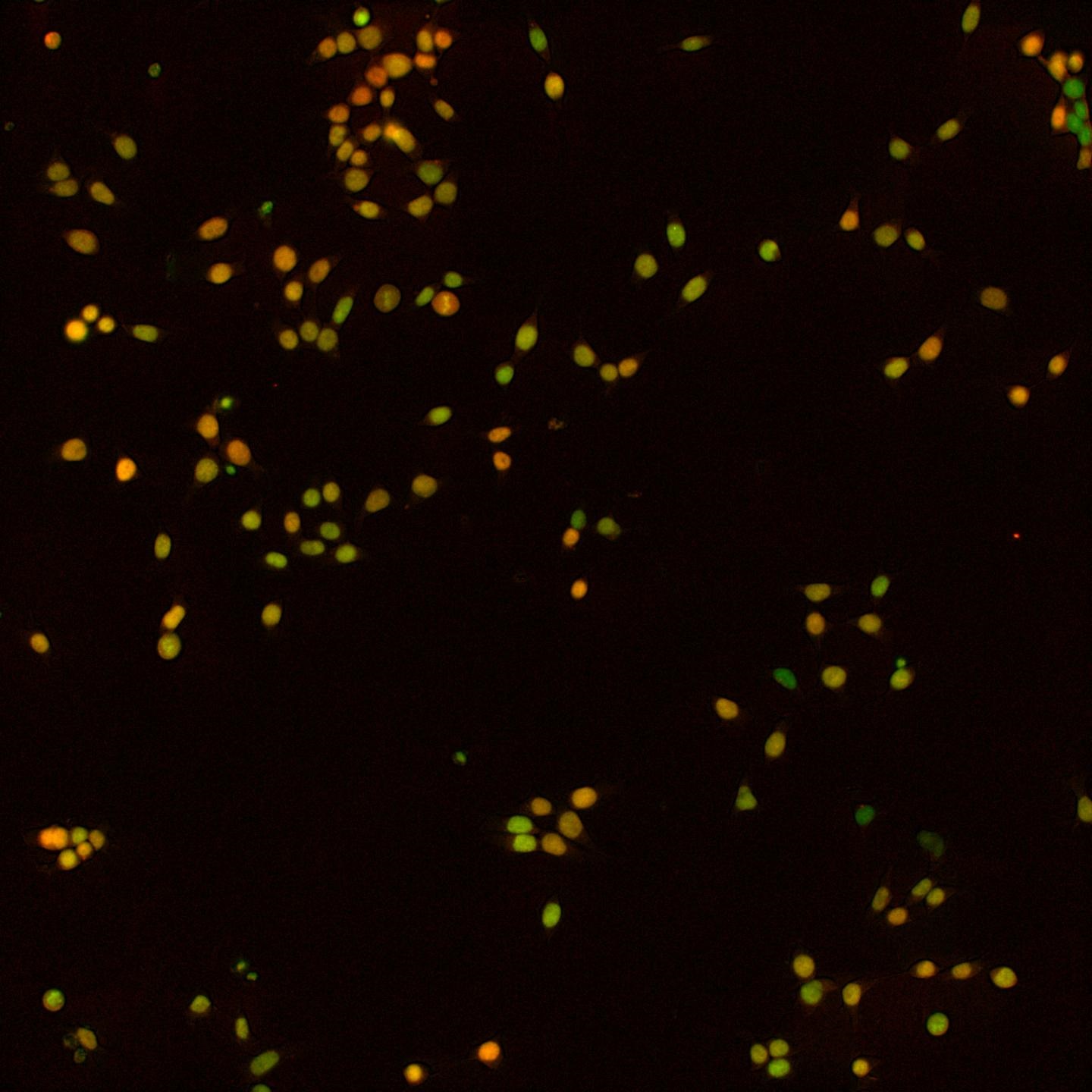
The study found that small changes in the levels of either of the transcription factors impact the fate of the cells—but only during the first cell-growth phase of the cell’s life. Increased SOX2 levels seem to ‘push’ embryonic stem cells toward neuronal-type cells, while elevated OCT4 levels strongly directed cells towards both neuronal and non-neuronal differentiated cell types. The reason, the scientists found, is that high OCT4 levels increase the accessibility of the cell’s chromatin to differentiation factors.
“As fluctuations in transcription factor concentrations are to a large extent driven by the inherent randomness of the gene expression cascade, these could set fundamental limits in our ability to redirect cell fate decisions for therapeutic purposes,” says senior author David Suter of the Swiss Federal Institute of Technology, Luasanne. “Further work will be required to determine whether these fluctuations could be at least partially suppressed to mitigate their impact on controlling the fate of embryonic stem cells.”
Image: Live imaging of SOX2 (green) and OCT4 (red) concentrations in mouse embryonic stem cells. Image courtesy of D. Suter, EPFL.