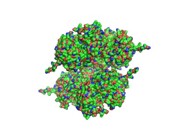
Assay Principle
Sorbitol dehydrogenase (SDH or SORD, EC 1.1.1.14, also called L-iditol 2-dehydrogenase) is a zinc-dependent, NAD+-linked enzyme that oxidizes sorbitol to fructose, forming the second step of the polyol pathway alongside aldose reductase and serving as a sensitive clinical marker of hepatocellular injury. An SDH assay typically measures this reaction through NADH generation, since NAD+ is reduced to NADH as sorbitol is converted to fructose. One common format detects NADH indirectly, coupling it to reduction of a tetrazolium salt (MTT) to a colored formazan product with absorbance read around 565 nm, while other formats read the NADH-driven absorbance change directly near 340 nm. Both approaches yield a signal directly proportional to SDH activity.
Protocol highlights and purchasing considerations
Protocol Highlights
Kits are broadly validated across plasma, serum, urine, tissue, cell lysate, cell culture media, and other biological fluids, with detection ranges commonly spanning single-digit to several-hundred micromolar NADH-equivalent activity and reaction times as short as 12 minutes for the tetrazolium-coupled format, making this a comparatively fast, high-throughput-friendly assay. Because the assay is described as a homogeneous "mix-incubate-measure" format, it is well suited to automation on liquid-handling systems for labs processing large sample batches. Given SDH's established role as a liver injury biomarker, particularly useful alongside aminotransferases, maintaining consistent sample collection and processing timing is important since SDH activity in circulation can change relatively quickly following acute hepatocellular damage.
Assay Kit Purchasing Considerations
The choice between tetrazolium-coupled colorimetric detection and direct 340 nm NADH monitoring used to measure SDH activity is largely a matter of instrumentation and throughput preference, since both report the same underlying enzymatic activity. For hepatotoxicity and drug safety studies where SDH serves as a sensitive and liver-specific injury marker (more specific to hepatocytes than some aminotransferases), confirming that a kit's validated species and sample matrix align with the toxicology model in use is a practical consideration. Researchers studying diabetic complications through the polyol pathway, where SDH activity contributes to the redox imbalance implicated in retinopathy and neuropathy, should also confirm a kit's sensitivity is adequate for the tissue types most relevant to their disease model, such as lens, retina, or peripheral nerve. As with any activity assay, it's good practice to review the full protocol before deciding on a kit, since the manual often reveals practical details, such as incubation times, control requirements, and data analysis steps, that aren't captured in the product summary alone.
Your search returned 9 Sorbitol Dehydrogenase Assay Kits across 5 suppliers.
Get pricing for all products
Select up to 5 products from below to compare or request more information.
Sponsored Products
- Background/Introduction: Sorbitol dehydrogenase (SDH), found in organisms from bacteria to humans, ...
- 100 Assays
- Functional Assay
- Detection and Quantification of Sorbitol Dehydrogenase Activity
- 100 Assays
- Functional Assay
- Micro Sorbitol Dehydrogenase Assay Kit provides a simple, convenient and rapid SDH activity ...
- 48 Tests
- Inquire
- Background/Introduction: Sorbitol dehydrogenase (SDH), found in organisms from bacteria to humans, ...
- 5x100 Assays, 100 Assays, 2x100 Assays, 3x100 Assays, 4x100 ...
- FA (Functional Assay)
Read More
- Detection and Quantification of Sorbitol Dehydrogenase Activity
- 100 assay
- FA
- CheKine Micro Sorbitol Dehydrogenase Assay Kit provides a simple, convenient and rapid SDH activity ...
- 48 T,96 T
- Inquire
- SORBITOL DEHYDROGENASE (SDH) is an enzyme that catalyzes the interconversion of sorbitol and ...
- Inquire
- Inquire
Select up to 5 products from above to compare or request more information.
Tags:
Please Login or Register to Create Tags