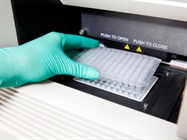
RT-PCR, also known as Reverse Transcriptase PCR, is a variation of the polymerase chain reaction that typically measures RNA expression levels. In RT-PCR, complementary DNA (cDNA) is made by reverse transcribing of the RNA templates with the enzyme reverse transciptase. This technique is used to qualitatively study gene expression, and can be combined with real time PCR (qPCR) to quantify RNA levels. RT-PCR is used in research laboratories to study gene expression, for example in experiments to distinguish exons from introns, and can be used clinically to diagnose genetic diseases and monitor drug therapy. RT-PCR requires an RNA template, enzyme, nucleotides, buffers and thermocyclers to produce RT-PCR products. Kits are available to simplify and streamline the process. The technique can be complex as RNase, the enzyme that degrades RNA is ubiquitous, and the slightest DNA contamination can disrupt results. Fortunately products for RNase detection and decontamination are available. Look for RNase free consumables and reagents that contain RNase inhibitors and RNA stabilizers to ensure accurate and reliable RT-PCR.
Analysis of complex systems benefits from a combination of methods
read more
New tech making inroads on traditional block-based instruments
read more
Choose the CFX Opus real-time PCR system for the reliability you depend on from Bio-Rad with improved connectivity and performance for your modern lab. The CFX Opus system is the next evolution in qPCR from Bio-Rad. With improved thermal performance ...
read more
The QX Continuum Droplet Digital PCR (ddPCR) System combines the hallmark performance of ddPCR technology with the user-friendly experience of qPCR. It provides cost-effective absolute quantification of up to four targets from a single sample well, ...
read more
Reverse Transcriptase (RT)-PCR of RNA with extensive secondary structures, or the detection of rare messages can be challenging and laborious. Another critical point is the RNase H activity of the reverse transcriptase used in the respective assay. ...
read more
Deoxyribonucleases (DNases) are abundant in nature and can potentially degrade DNA, destroying experimental data if contained within samples for genetic analysis. Although DNases present less of an obstacle than RNases for removal from prepared ...
read more