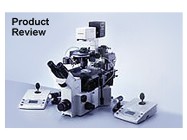
In my lab, the Eppendorf TransferMan NK2 is used routinely for the following techniques: microinjection of DNA into the pronucleus of zygotes and injection of embryonic stem cells into blastocysts. Both techniques are frequently used for the production of transgenic mice.
Operating the TransferMan NK 2 micromanipulator, with its few self-explanatory keys, is extremely simple. Beginners especially benefit from the simple and intuitive operation. The system contains integrated coarse and fine manipulators, which are controlled via a single joystick. This joystick provides easy movement of the capillary in any direction (x, y, z). The work radius (speed) can be adjusted with a dial on the side of the control board. The proportional kinetics, which are similar to mechanical and hydraulic systems, allow an intuitive control which is very important for sensitive movements, e.g. collection of ES cells or pushing the capillary into the embryo.
One of the things I like most is that the system allows efficient working. For example, the correct micro-tool position can be established very quickly. Adjusting both the holder and injection capillary can be done in the wink of an eye due to the following factors:
1) The angle can be adjusted independently via knurled screws and an angle mark on the headpiece of the x-motor.
2) To align the capillary in the vertical position, the universal capillary holder can be rotated around its own long axis, even when it is tightly gripped in place.
3) Quick adjustment in the z-dimension via a straight guide on the motor module.
The TransferMan NK2 relies on microprocessor control therefore, it has all the advanced features of an electronic micromanipulator. Although I had some reservations regarding an electronic micromanipulator at the beginning, I’m now convinced that the system is as stable and reliable as comparable systems on the market.
Each TransferMan NK 2 can store up to three independent positions in memory; by simply pressing the joystick button twice, the capillary can be moved to one of the three pre-programmed positions. For ES cell transfer, Position 1 is stored at the area where the uninjected embryos are placed. Position 2 is a central position for injection of the ES cells. After injection, the embryo is transferred to another area of the dish to keep the uninjected embryos separate from the injected ones. This area is set as Position 3.
Another useful feature for multiple users is the ability to program and store specific user profiles.
Head of Transgenic Service
Laboratory Animal Resources
European Molecular Biology Laboratory