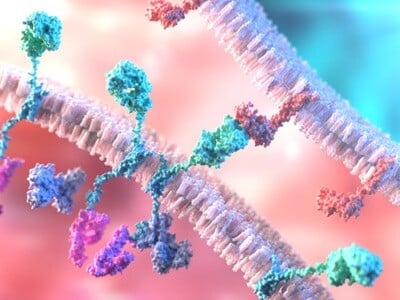
 Acute myeloid leukemia (AML) is an aggressive blood cancer that is primarily treated with chemotherapy. A significant number of patients experience relapse or are diagnosed with refractory disease (rrAML), with poor prognosis. CAR T therapy could be used to eliminate drug-resistant leukemic cells, enabling more rrAML patients to progress to hematopoietic stem cell transplantation. In a new study, researchers from the Clinica Universidad de Navarra and Cima Universidad de Navarra used electroporation to simultaneously co-deliver minicircle DNA, transposase mRNA and CRISPR RNPs to primary human T cells without altering cell phenotype and fitness, creating CD33-CAR-T cells.
Learn more about the method that they used and the technology that made it possible in this application note from MaxCyte!