The intestinal epithelium separates host tissue from the intestinal microbiota. This layer of cells plays a crucial role in water, electrolyte, and nutrient absorption while also limiting the entry of bacteria, viruses, fungi, toxins, and other antigens into host tissue. The diverse functions carried out by the intestinal epithelium are supported by multiple specialized intestinal epithelial cells, which are replaced every three to five days from a pool of intestinal stem cells. This makes the intestinal epithelium one of the most rapidly renewing tissues in adult mammals.
Epithelial differentiation is largely controlled by the tissue-specific activity of transcription factors. In order for transcription factors to access DNA, the DNA has to be in its accessible form (i.e., euchromatin). If the DNA is in its compacted form (i.e., heterochromatin), the transcription factors’ access to the DNA is limited. In a study published Friday in Gut, TU Dresden researchers investigated the significance of the regulation of heterochromatin formation in the intestinal epithelium.
Search Antibodies Search Now Use our Antibody Search Tool to find the right antibody for your research. Filter
by Type, Application, Reactivity, Host, Clonality, Conjugate/Tag, and Isotype.
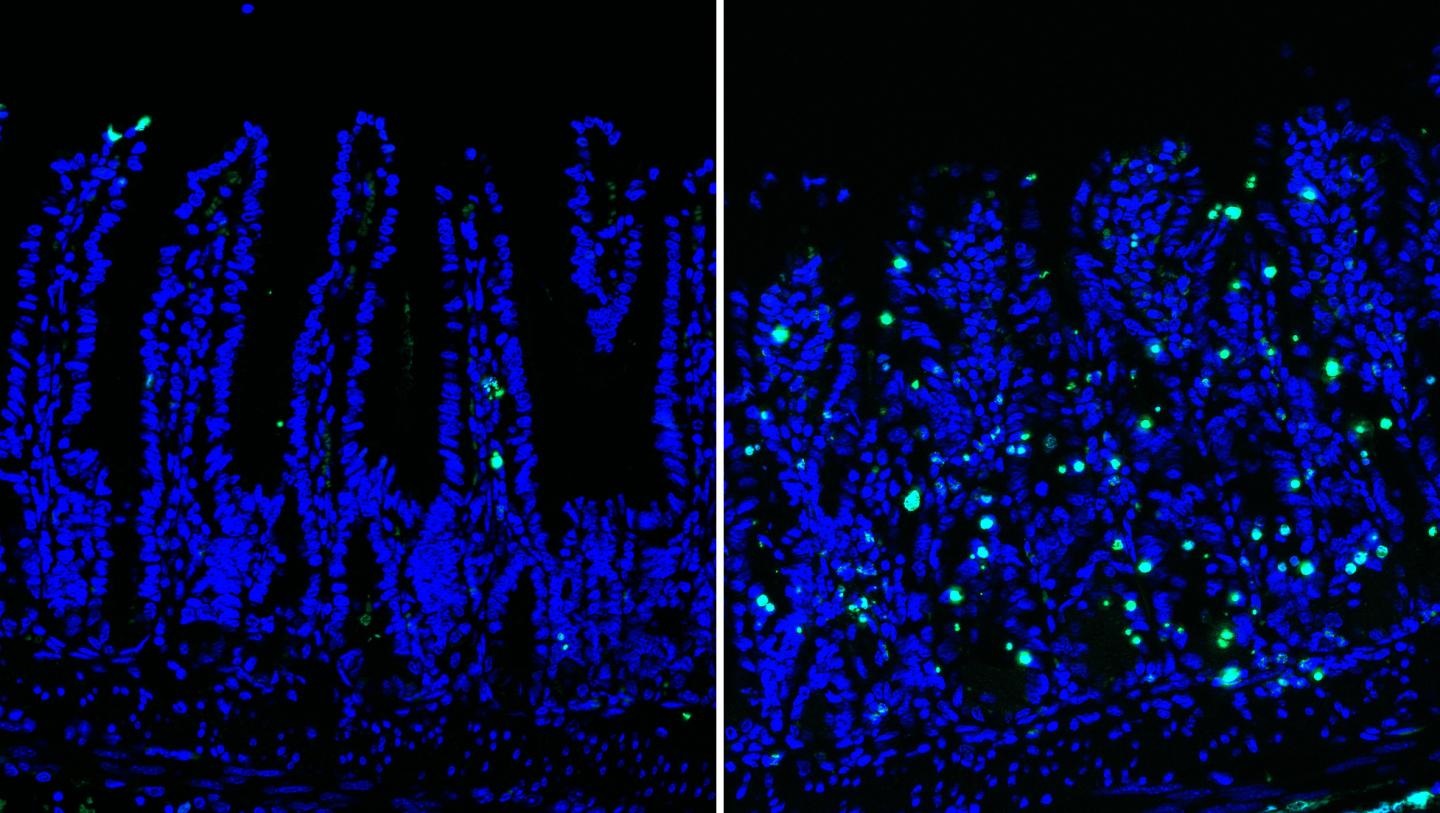
In their study, the researchers demonstrated the essential role of the SETDB1 protein in heterochromatin formation and in inflammation prevention. Additionally, the researchers observed the consequences of the enzyme loss in the intestinal stem cells: Endogenous retroviruses, which represent a relevant part of the human genome, accumulate within a few days, leading to DNA damage, inflammatory cell death, and loss of both intestinal epithelial stem cells and differentiated epithelial cells. This limits the absorption of fluid and nutrients, causes intestinal inflammation, and inevitably leads to death within a few days.
“Our study reveals a fundamental importance of SETDB1 and heterochromatin formation in the maintenance of epithelial genome stability and the control of intestinal homeostasis,” explains senior author Sebastian Zeissig. “It remains to be seen whether mutations in this gene can also contribute to intestinal inflammation in humans—for example, in inflammatory bowel diseases.”
Image: Healthy (right) vs diseased (left) bowel: Extensive DNA damage (green) within the intestinal epithelium leads to inflammatory cell death and disrupts intestinal homeostasis. Image courtesy of CRTD.