In a study published today in Nucleic Acids Research, Marine Biological Laboratory (MBL) scientists have shown that squid massively edit their own genetic instructions not only within the nucleus of their neurons but also within the axon. This is the first time that edits to genetic information have been observed outside of the nucleus of an animal cell.
The discovery provides another jolt to the central dogma of molecular biology, which states that genetic information is passed faithfully from DNA to messenger RNA to the synthesis of proteins. In 2015, the research team discovered that squid “edit” their messenger RNA instructions to an extraordinary degree—orders of magnitude more than humans do—allowing them to fine-tune the type of proteins that will be produced in the nervous system.
Search Antibodies Search Now Use our Antibody Search Tool to find the right antibody for your research. Filter
by Type, Application, Reactivity, Host, Clonality, Conjugate/Tag, and Isotype.
“But we thought all the RNA editing happened in the nucleus, and then the modified messenger RNAs are exported out to the cell,” says senior author Joshua Rosenthal. “Now we are showing that squid can modify the RNAs out in the periphery of the cell. That means, theoretically, they can modify protein function to meet the localized demands of the cell. That gives them a lot of latitude to tailor the genetic information, as needed.”
The team also showed that messenger RNAs are edited in the nerve cell’s axon at much higher rates than in the nucleus.
In humans, axon dysfunction is associated with many neurological disorders. Insights from the present study could accelerate the efforts of biotech companies that seek to harness this natural RNA editing process in humans for therapeutic benefit.
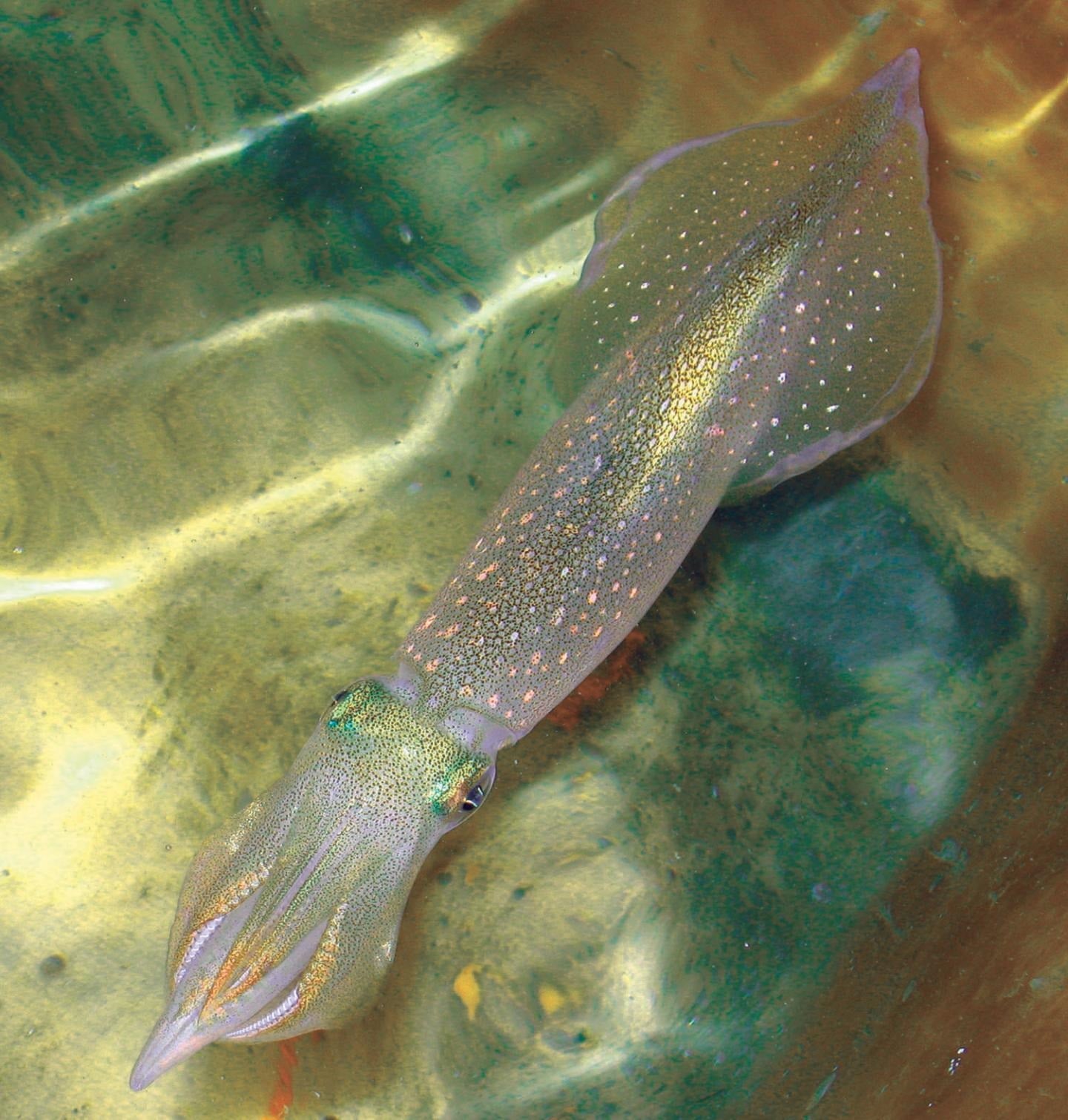
Image: The longfin inshore squid, Doryteuthis pealeii, long established as a research organism for fundamental biological studies. Image courtesy of Elaine Bearer.