For many people with inflammatory bowel disease (IBD), the gut has an inordinate effect on their daily quality of life. One of the most common forms of IBD is characterized by inflammation within the digestive tract that can lead to severe diarrhea, pain, and weight loss. What causes IBD is still a mystery, but scientists know that the gut microbiome is a key player.
In a paper published yesterday in Nature Microbiology, Michigan Medicine researchers describe how bad bacteria gain a foothold over good bacteria in IBD and how something as simple as a diet change might reverse it. “The same bacteria are present in healthy and inflamed digestive tracts,” says senior author Nobuhiko Kamada. “They just change their competition. We wondered, what is the mechanism behind this?”
E. coli, the notorious bacteria behind many cases of food poisoning, is present in a normal, healthy gut. However, the disease-causing form of the bacteria is able to outcompete its more benign cousins when the gut is inflamed. Usually, the bad version of E. coli is held in check by beneficial bacterial species through the metabolism of carbohydrates. However, under inflammation, the amount of good bacterial species is reduced, leaving less available sugar for E. coli to use and grow. Yet the disease-causing E. coli are still able to take over.
Search Antibodies Search Now Use our Antibody Search Tool to find the right antibody for your research. Filter
by Type, Application, Reactivity, Host, Clonality, Conjugate/Tag, and Isotype.
The team hypothesized that the bad E. coli must change their dietary preference from sugar to something else, giving them an edge over other bacteria. In fact, their experiments with mouse models found that the bad E. coli developed a taste for amino acids, particularly serine, when their environment was inflamed. Furthermore, the team was able to control the overgrowth by feeding mice with IBD a low serine diet.
Together, these findings suggest that nutrition could be a method for controlling bad bacteria. “Of course, we could use antibiotics to kill the bad bacteria,” says Kamada. “But the gut microbiota plays a beneficial role to the host’s biology, and antibiotics kill the good guys along with the bad guys.”
The team hopes to eventually collaborate with clinicians to investigate the effects of personalized therapeutic diets for patients with IBD. “We have to carefully consider a patient’s disease status,” Kamada says. “One type of diet might be effective in patients under remission but not in patients with active disease.”
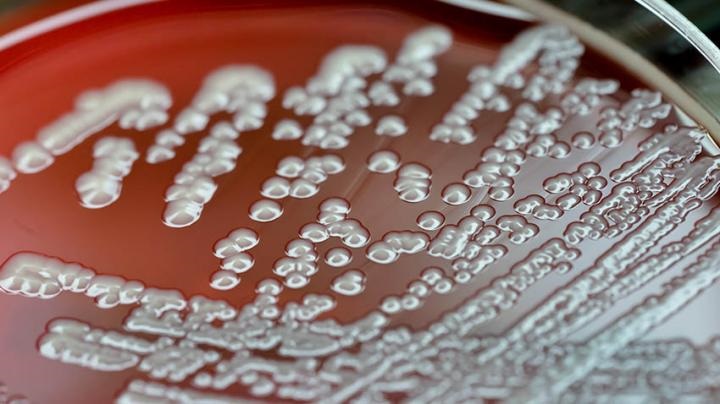
Image: A sample of E. coli in a petri dish. Image courtesy of Getty Images.