A protein called Shisa7 has been found to have an important role in regulating GABAA receptor trafficking, function, and pharmacology. This finding upends the current understanding of how Valium and other benzodiazepines work.
"We found that Shisa7 plays a critical role in the regulation of inhibitory neural circuits and the sedative effects some benzodiazepines have on circuit activity," said Wei Lu, Ph.D., of the National Institute of Neurological Disorders and Stroke (NINDS) and senior author of a paper published in Science today.
In this study, Dr. Lu and his colleagues looked at synapses that rely on the neurotransmitter gamma-aminobutyric acid (GABA) to calm nerves. Communication at these synapses happens when one neuron fires off packets of GABA molecules that are then quickly detected by proteins called GABA type A (GABAA) receptors on neighboring neurons.
Search Antibodies Search Now Use our Antibody Search Tool to find the right antibody for your research. Filter
by Type, Application, Reactivity, Host, Clonality, Conjugate/Tag, and Isotype.
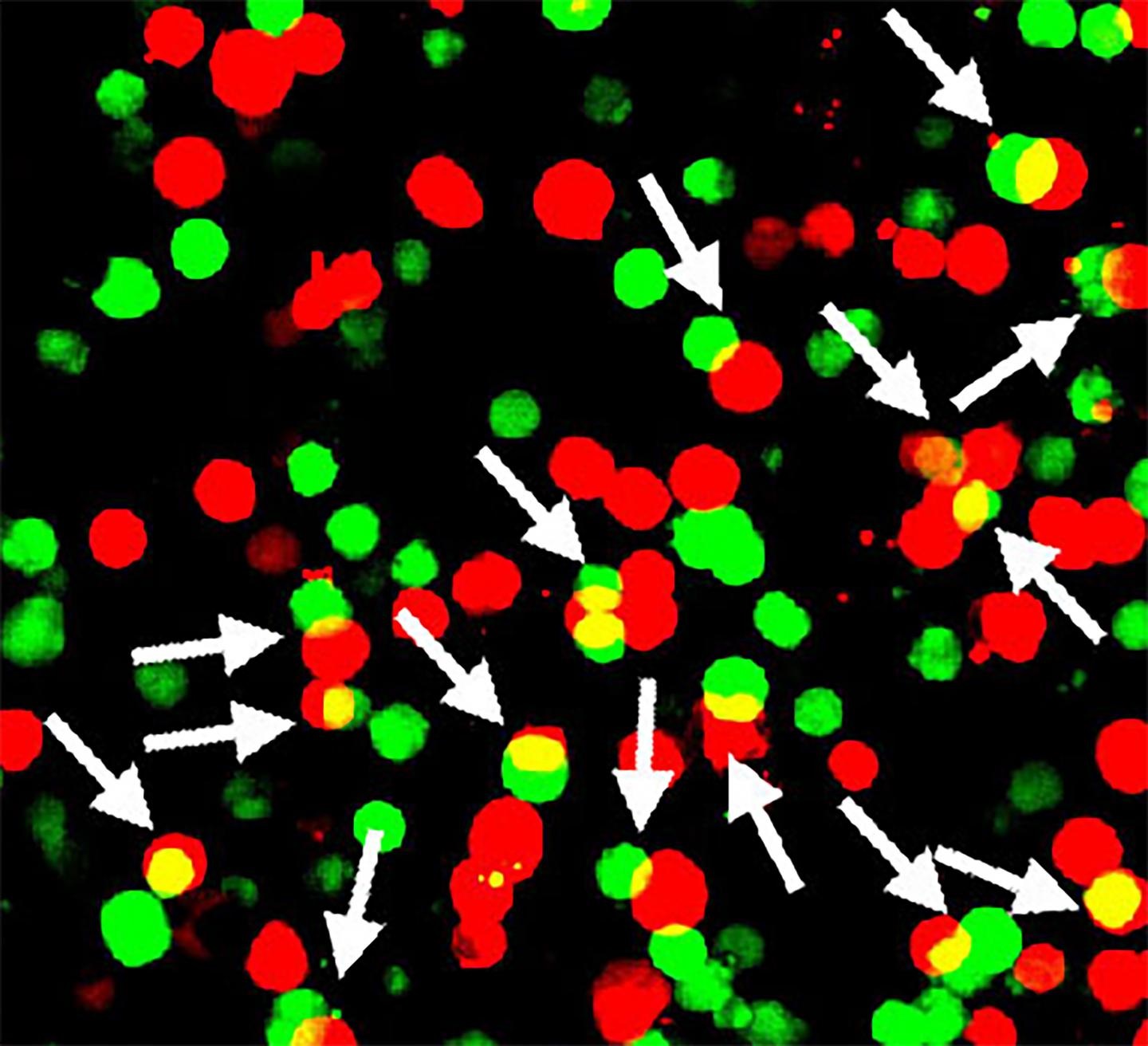
They found that genetically eliminating Shisa7 from neurons reduced the number of GABAA receptors and decreased the strength of electrical currents generated by synaptic GABAA receptor responses. Further experiments suggested that Shisa7 proteins attached directly to GABAA receptors. Electrical recordings showed that Shisa7 hastened receptor responses to the transmitter GABA and nearly doubled the size of responses made in the presence of Valium, suggesting the protein made the receptor more sensitive to benzodiazepines.
"These results suggest that Shisa7 directly shapes inhibitory synaptic responses under a variety of conditions, including the presence of benzodiazepines," said Chris J. McBain, Ph.D., senior investigator at NIH's Eunice Kennedy Shriver National Institute of Child Health and Human Development.
Finally, experiments in mice supported the idea that Shisa7 also plays a role in the calming effects of benzodiazepines. For instance, in one set, they tested the ability of diazepam to reduce the high anxiety mice felt when confronted with open, elevated spaces.
Here, the mice were placed in the middle of an elevated maze of two crisscrossing arms. One arm was covered and the other open. In agreement with previous studies, the researchers saw that injections of diazepam increased the time the wild-type mice chose to walk on open arms, suggesting the drug reduced anxiety. In contrast, diazepam had no effect on mice that were engineered to have no Shisa7 gene. These mice spent the same amount of time exploring the open arms regardless of whether they received the drug or a placebo.
In other experiments, the researchers found that Shisa7 also influenced the drowsiness and hypnotic effects of benzodiazepines. Mice that lacked Shisa7 were much less likely than wild-type mice to fall asleep from high levels of diazepam. Moreover, the mutant mice were dramatically better at standing up after diazepam-induced stumbles, in fact, some appeared resistant to stumbling.
"Our results shine a spotlight on the potential clinical importance of auxiliary proteins like Shisa7. Many of the neurological drugs we use today are designed to control the activity of synaptic receptors. For the first time, we show that researchers may also want to consider auxiliary proteins like Shisa7 in developing new treatments that target GABAA receptors," added Dr. Lu.
Image: In a study of mice, NIH researchers showed that a protein encoded by a gene called Shisa7 (green) may boost the nerve calming effects of valium and other benzodiazepines by sticking to GABA type A neurotransmitter receptors (red). Image courtesy of Lu lab, NIH/NINDS.