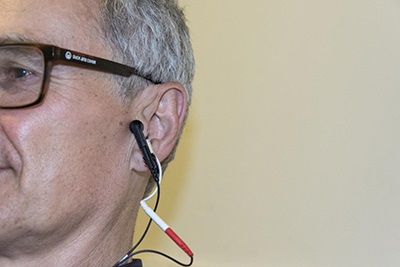
Stimulating the auricular branch of the vagus nerve in outer parts of the ear with a small electrical current appears to rebalance the autonomic nervous system for over-55s, potentially slowing down one of the effects of aging, according to research published in Aging today.
Scientists from University of Leeds found daily delivery of transcutaneous vagus nerve stimulation for two weeks led to both physiological and well being improvements, including a better quality of life, mood and sleep.
This could help protect people from chronic diseases which we become more prone to as we get older, such as high blood pressure, heart disease and atrial fibrillation. The researchers, who dubbed their approach tickle therapy, say it has the potential to help people age more healthily, by recalibrating the body's internal control system.
Search Antibodies Search Now Use our Antibody Search Tool to find the right antibody for your research. Filter
by Type, Application, Reactivity, Host, Clonality, Conjugate/Tag, and Isotype.
 According to lead author Dr. Beatrice Bretherton, "The ear is like a gateway through which we can tinker with the body's metabolic balance, without the need for medication or invasive procedures. We believe these results are just the tip of the iceberg. "We are excited to investigate further into the effects and potential long-term benefits of daily ear stimulation, as we have seen a great response to the treatment so far."
Image: A tVNS device attaches to the ear and gently provides electrical stimulation, which rebalances the autonomic nervous system. Image courtesy of University of Leeds.