Legionnaires’ disease is a severe form of pneumonia caused by the bacterium Legionella pneumophilia. The bacterium’s natural habitat is freshwater biotopes, where it mainly reproduces in amoebae. It colonizes water tanks and pipes, and it spreads via air conditioning and other systems.
Once inside the host, Legionella pneumophilia releases hundreds of enzymes in order to control cellular processes and thwart the immune system. In a paper published Monday in Nature, Goethe University scientists presented important details of the interaction of bacterial effectors.
What makes Legionella so dangerous is its ability to multiply in phagocytes of the immune system by secreting virulence factors. Some of these effectors—the enzymes of what is known as the SidE family—are so toxic that without tight control they would instantly kill their host cells. However, since Legionella needs the host cells in order to multiply, it has developed a sophisticated mechanism for the precise metering of SidE enzyme activity.
Search Antibodies Search Now Use our Antibody Search Tool to find the right antibody for your research. Filter
by Type, Application, Reactivity, Host, Clonality, Conjugate/Tag, and Isotype.
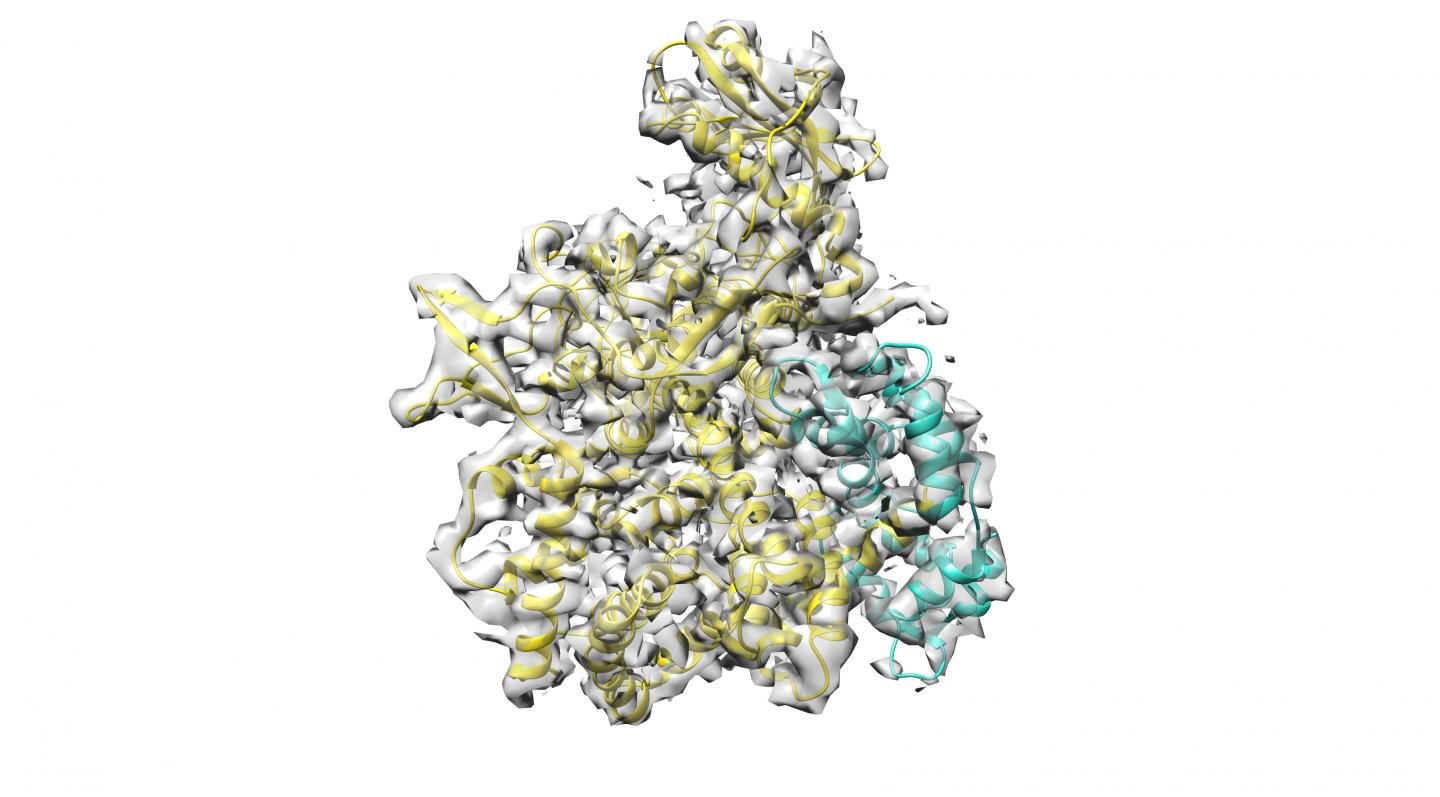
The researchers showed that the regulator SidJ—also released by Legionella—works as an “antidote” to the SidE enzymes, thus ensuring accurate control of SidE activity. The SidJ regulator is a glutamylase, and in this case, it attacks the central glutamate of the SidE enzymes and inhibits their activity. Additionally, the researchers revealed how SidJ is activated in host cells. They found that it requires the calcium-binding protein calmodulin that is found in mammalian cells. Using Cryo-EM, they were also able to explain the structure of the calmodulin–SidJ complex.
“Glutamylation as a protein modification is understudied,” says first author Sagar Bhogaraju. “Our finding that Legionella pneumophilia uses exactly this mechanism to sustain the infection certainly argues for more research in this field. For example, the extent to which Legionella utilizes this modification to regulate other cellular processes is completely unclear.”
This currently unknown mechanism opens up new possibilities for research to inhibit the spread of Legionella in the host organism. “We’re currently working on eliminating SidJ selectively by developing inhibitors for the glutamylase domain,” Dikic explains. “In addition to the use of antibiotics, they could prevent the spread of Legionella pneumophilia in phagocytes.”
Image: Cryo-EM structure of SidJ (yellow)–calmodulin (cyan) complex with the experimental cryo-EM map shown in gray. Image courtesy of EMBL Grenoble.