A study published today in Nature Communications provides details on how proteins in the outer membrane of bacteria—the bacteria’s ‘superglue’—are able to stick to and populate parts of the human body. This new information paves the way for the development of innovative treatments for preventing and curing infections in what could be a significant step forward for new anti-microbial development.
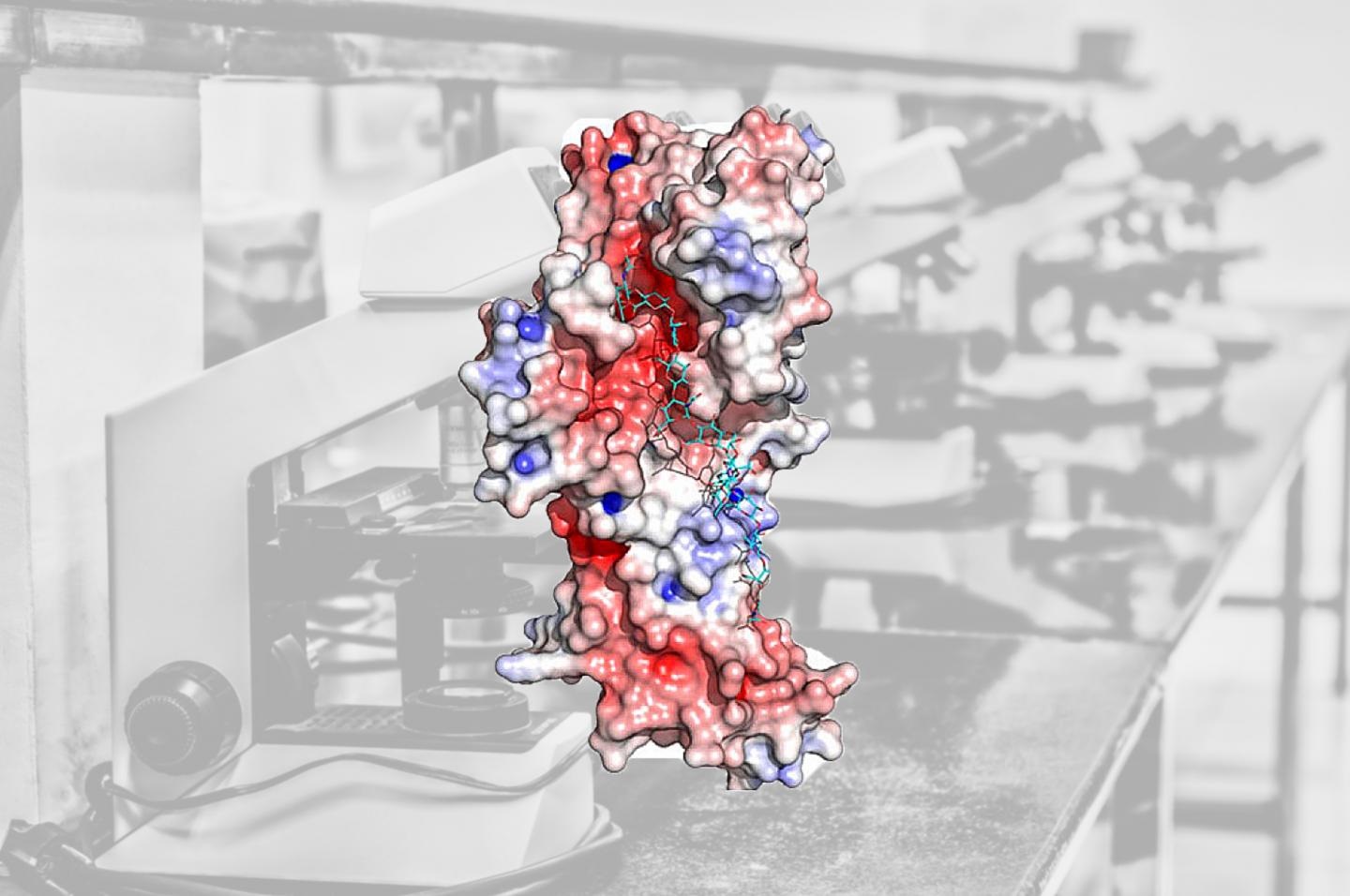
The study focused on UpaB—the superglue protein of a pathogen known to cause urinary tract infections within 50% of women within their lifetime. Similar proteins are found in the outer membrane of other pathogens responsible for infections ranging from life-threatening food poisoning to whooping cough, meningitis, typhus fever, and chlamydia.
Search Antibodies Search Now Use our Antibody Search Tool to find the right antibody for your research. Filter
by Type, Application, Reactivity, Host, Clonality, Conjugate/Tag, and Isotype.
Senior author Begoña Heras from La Trobe University said the study provides unprecedented fundamental science that could inform future solutions to the world health crisis in antibiotic resistance.
“The knowledge we now have on this bacteria’s protein gives us the ability to block the bacteria sticking to different parts of the human body,” Heras says. “Antibiotic resistance is an urgent, global problem and this information gives us an important opportunity to develop new anti-microbial treatments. Naturally, this is the next step for this research.”
First author Jason Paxman, also from La Trobe, added that there is a flip side to these bacterial proteins in that they could be harnessed for good. “There is nothing like these bacterial proteins in modern medicine; bacteria have had thousands of years to develop these adhesive proteins,” Paxman explains. “These findings could open up new opportunities such as delivering targeted therapies to parts of the human body, which could even help in the fight against cancer down the line.”
Image: Using powerful X-rays, the UpaB protein has been pictured digitally for the first time. Image courtesy of La Trobe University.