Researchers from the University of Warwick have established a way to cryopreserve a broad range of bacteria using synthetic reproductions of the natural antifreeze proteins found in polar organisms. They reported in Biomacromolecules last month that adding the protein mimics slows ice crystal growth and stops them from destroying the bacteria cells.
The traditional approach to preserve bacteria used in nearly every laboratory worldwide is to add glycerol to the bacteria to reduce cold-induced damage during freezing. However, not all the bacteria recover after thawing and the glycerol needs to be removed from the bacteria to enable their growth and usefulness.
The Warwick team, led by Professor Matthew I. Gibson, was inspired by the process by which extremophiles survive in some of the coldest regions on Earth. The group has a particular interest in polar fish species that produce antifreeze proteins. The research team has demonstrated that synthetic polymers that mimic the protein from these fish are effective in doing the same job.
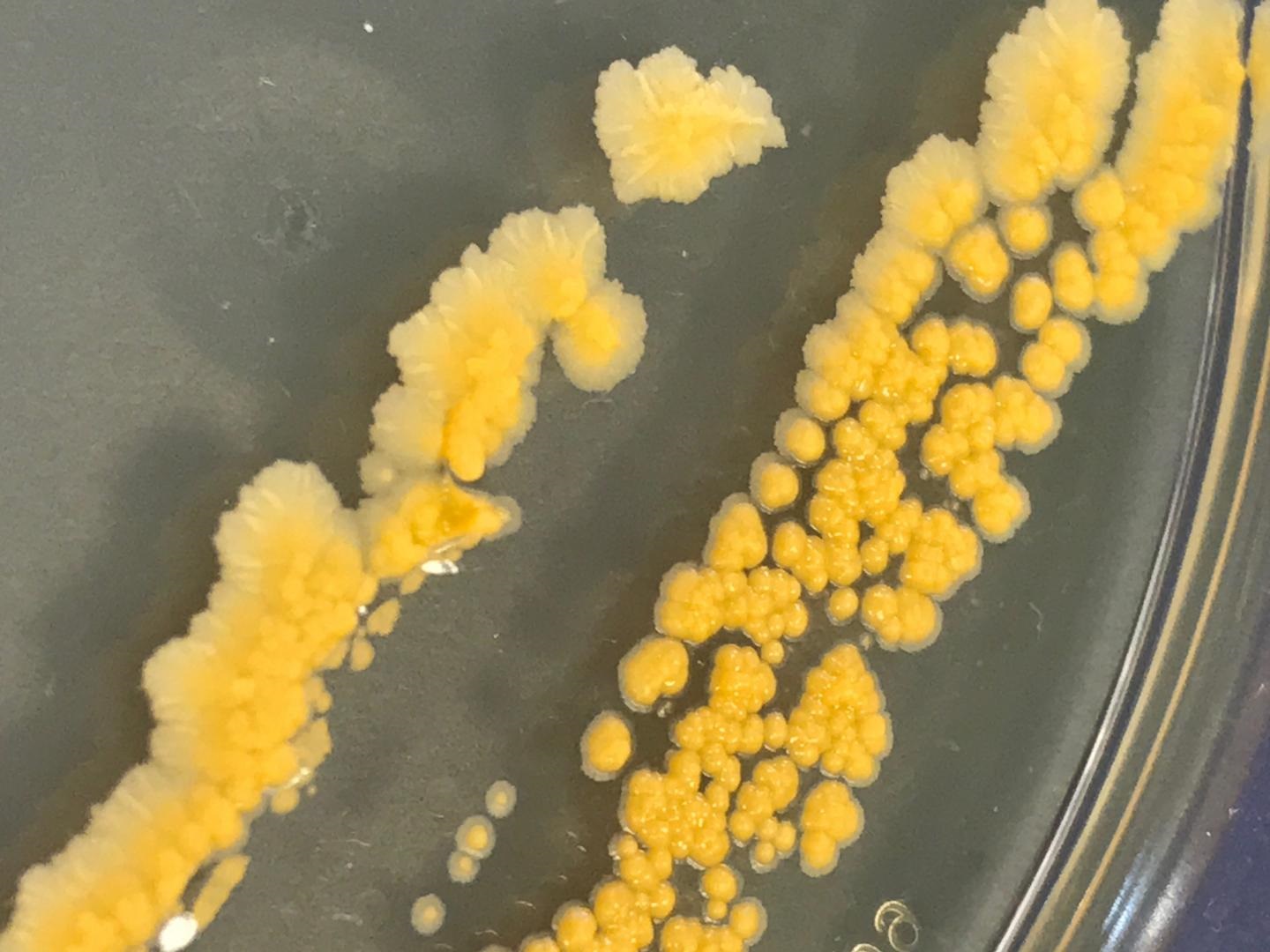
By combining two polymers to slow ice growth during cryopreservation, the researchers were able to recover more bacteria after freezing than using conventional methods. They also used less total additives, in some cases using just 1 % of weight (compared to 20 % typically used in traditional methods).
According to Matthew Gibson, one of the authors, "Our bio-inspired solutions, which we have also used for mammalian cell storage, provide a new platform to hopefully improve the availability and quality of bacteria, but with an easy-to-use approach which does not involve researchers or industries significantly adjusting their laboratory procedures."
Image: Bacteria growing after being frozen. Image courtesy of University of Warwick.