A new study reveals that there is a genetic reason why some ovarian cancer patients respond better to chemotherapy than others. The study identified variants in genes that control the molecules that transport chemotherapy drugs out of cells. Gene variants that result in a high rate of elimination may explain why treatments are less effective in some individuals. The study was published in Scientific Reports.
The research team performed a genome-wide association study (GWAS) designed to identify single nucleotide polymorphisms (SNPs) associated with chemotherapy transport out of the cell, or disposition. The team identified new SNPs associated with disposition of two chemotherapy drugs, carboplatin and paclitaxel. Highly significant SNPS were found in ABCC2, a gene that encodes a known carboplatin transporter protein.
"We found that variants of this gene are associated with high rates of drug elimination, which means they pump chemotherapy drugs out of the body quickly and may cause the treatment to be less effective. This may explain why chemotherapy is an effective treatment for some women, but not for others," Professor Anna DeFazio said.
 Ovarian cancer is one of the most deadly cancers accounting for 5% of all cancer deaths. This is largely because four out of five individuals aren’t diagnosed until the disease is already advanced. These latest findings are an important step towards using personalized medicine to develop more effective drugs to treat cancer patients.
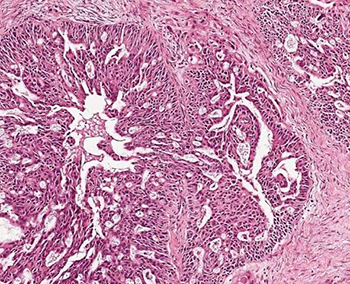
Image: Ovaran cancer cells. Image courtesy of Westmead Institute for Medical Research.