 Researchers from the University of California, Los Angeles have engineered blood-forming stem cells to carry chimeric antigen receptor (CAR) genes so that the cells can detect and destroy HIV-infected cells. The cells not only destroyed the infected cells but persisted for more than two years. The work was published yesterday in Plos Pathogens.
The researchers used a CAR molecule that hijacks the interaction between HIV and the cell surface molecule CD4 to make stem cell-derived T-cells target infected cells. When the CD4 on the CAR molecule bind to HIV, CAR molecule will signal to the cell to become activated and kill the HIV infected cell. In test animals, the modification of the blood-forming stem cells resulted in more than two years of stable production of CAR-expressing cells without any adverse effects. The cells were also widely distributed throughout lymphoid tissues and gastrointestinal tract, which are major areas for HIV replication and persistence.
The findings show that blood-forming stem cells can be modified with a CAR therapy that can safely engraft in the bone marrow, mature and become functional immune cells throughout the body. This will hopefully lead to an approach for lifelong immunity to HIV and protection against other infections.
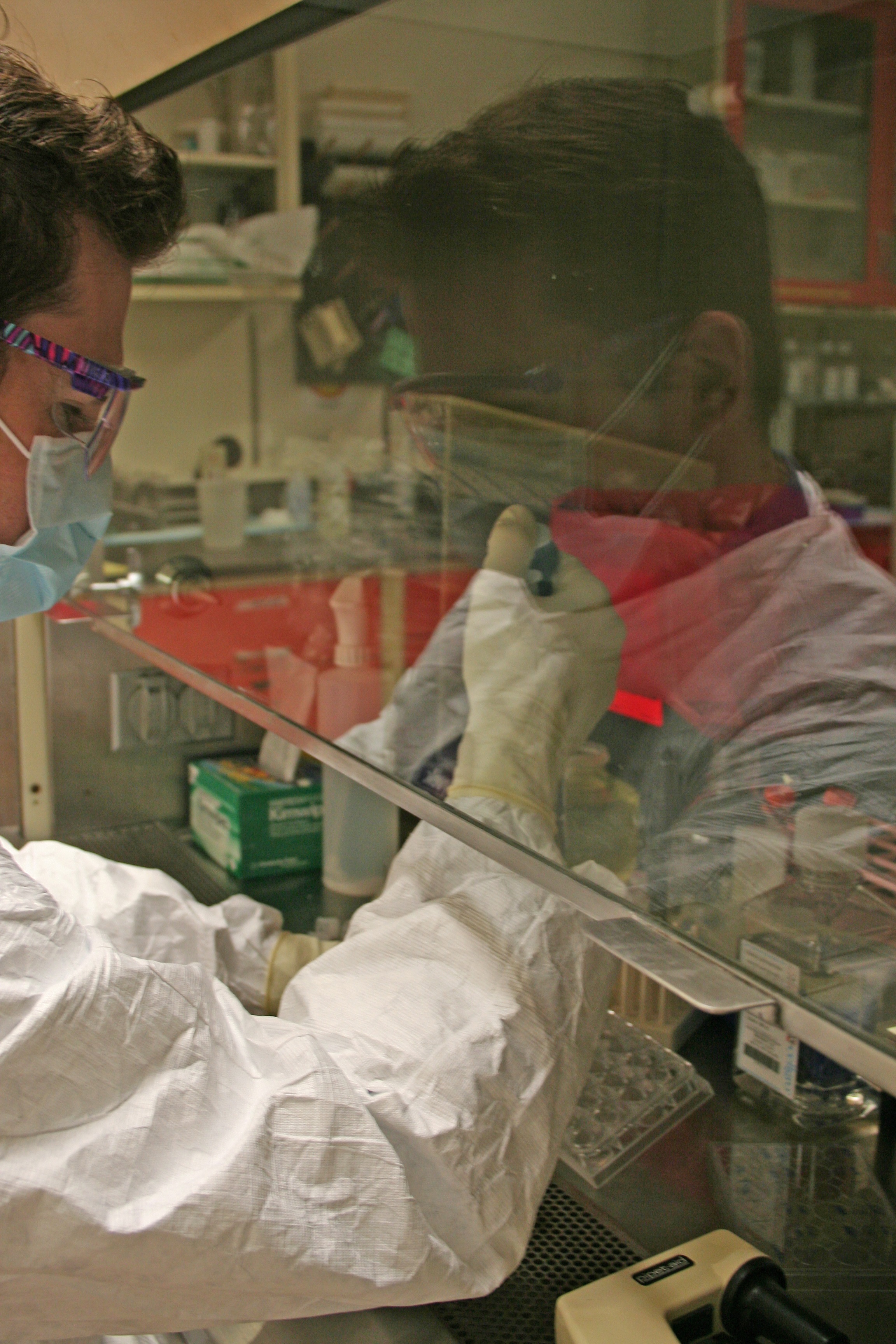
Image: Scott Kitchen, the study's senior author. Image courtesy of UCLA Health.