 In a new study, scientists report that they have characterized the changes that human sperm cells undergo as they mature. The work was published yesterday in the journal Cell Stem Cell and comes from scientists at the Huntsman Cancer Institute (HCI) at the University of Utah and the University of Utah Health.
Using single cell RNA sequencing analysis, Bradley Cains, Ph.D., senior director of basic sciences at HCI, and their lab profiled cells individually, establishing the gene expression profile in human sperm stem cells. Their findings revealed four distinct cellular phases of sperm cell maturation. Specifically, the data reveal distinct transitions in factors that influence the different cellular states including cell cycle regulators, transcription factors, and signaling factors.
"This study will help us understand what causes infertility in some cases," says James Hotaling, M.D., co-author and assistant professor at the University of Utah Health. The work could also have implications for certain cancers as male infertility is commonly associated with testicular and prostate cancers. "Our study sheds new light on how genes normally function in sperm stem cells," says Cairns. "The next steps will be to use this knowledge to better understand what changes happen when sperm stem cells don't develop normally and instead convert into cancer cells."
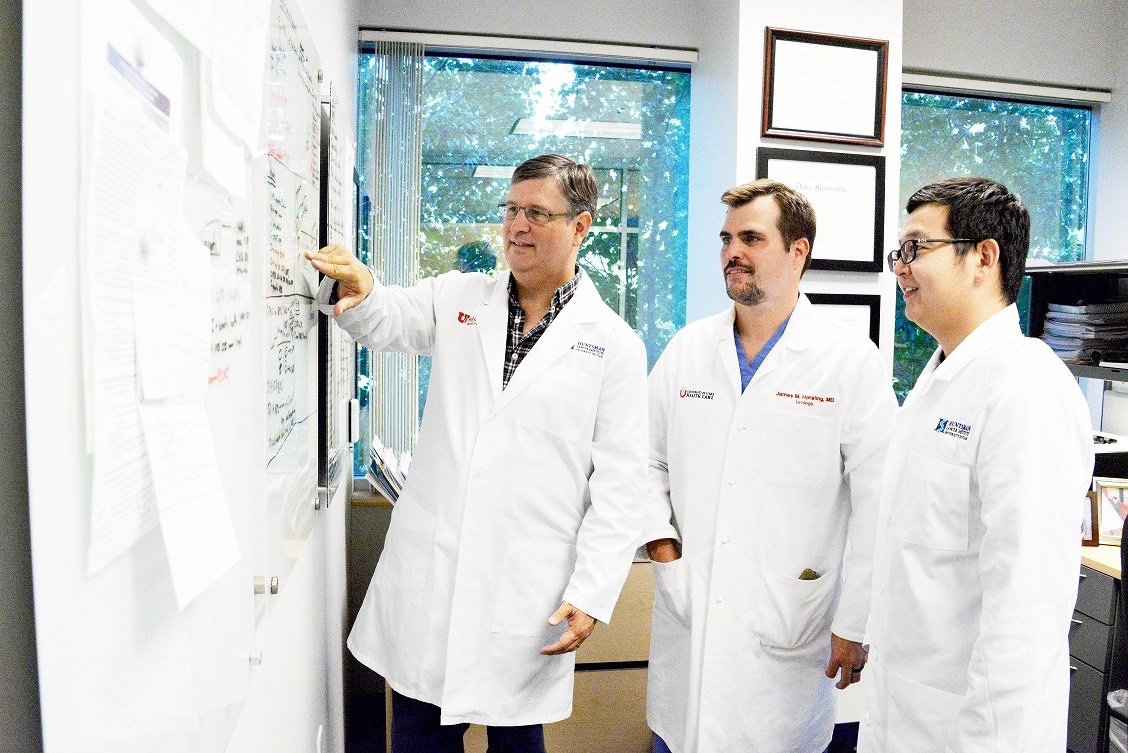
Image: Bradley Cairns, Ph.D., discusses his research. Image courtesy of Huntsman Cancer Institute.